
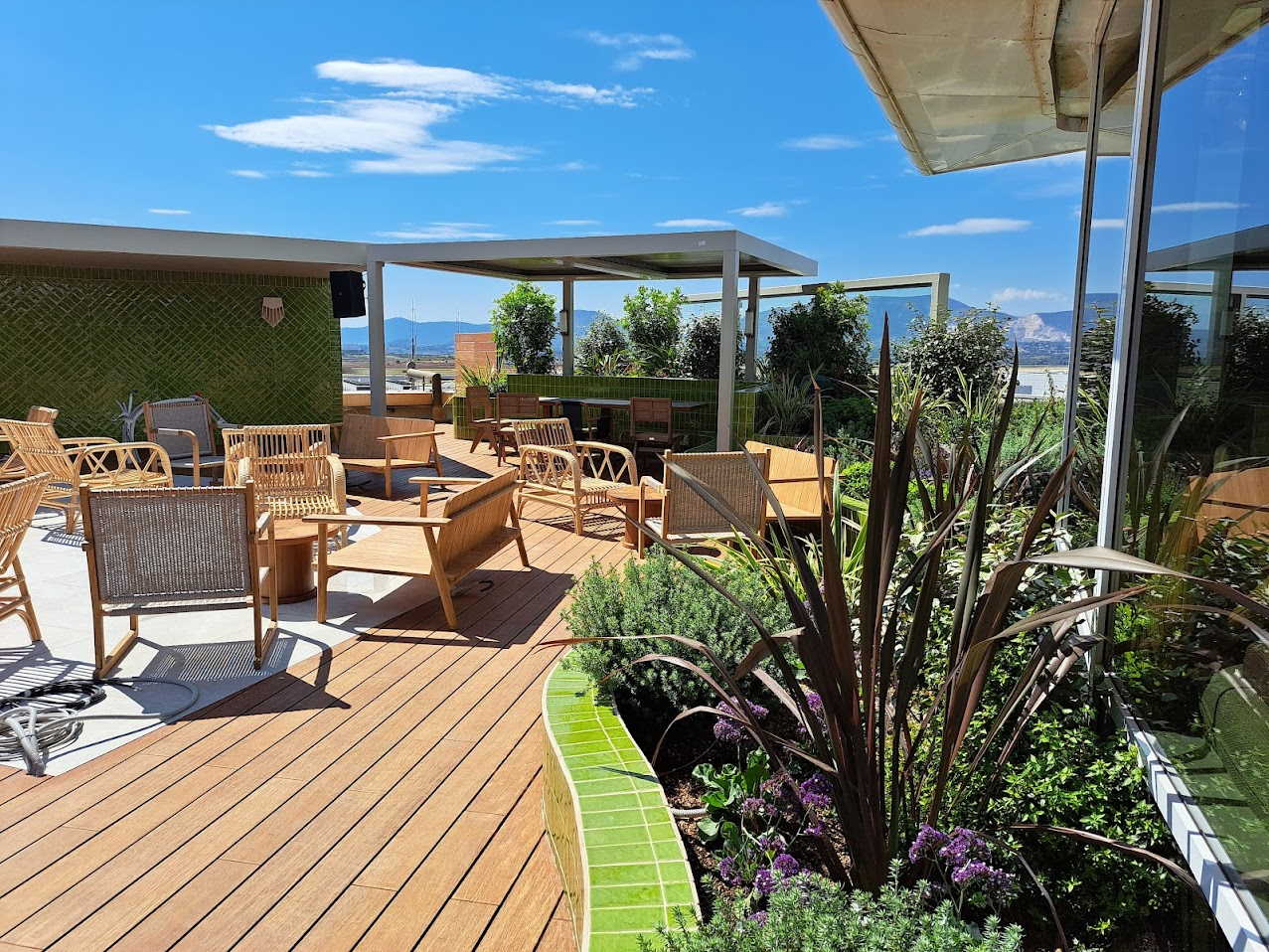
What Should Be Done Every Year
One of the most common questions we receive is simple:
“Does a green roof need maintenance?”
The short answer is yes.
The more accurate answer is that a green roof requires organized, scheduled and technically correct maintenance—not excessive care.
Like any planted landscape, a green roof is a living system. The difference is that this garden sits on top of a building, which makes proper monitoring even more important. International guidance, including the FLL Green Roof Guidelines, treats maintenance as an essential part of the design, construction and long-term performance of a green roof.
In practice, proper maintenance protects three things at once: the health and visual balance of the planting, the reliable operation of the drainage and irrigation systems, and the long-term value of the owner’s investment. The goal is not to react after damage appears, but to identify deviations early and intervene before they develop into serious problems. Green roof inspection checklists also place strong emphasis on routine inspection of drainage points, vegetation condition and exposed detailing.
How Often Does a Green Roof Need Maintenance?
The frequency depends mainly on the type of system installed.
For an extensive green roof, once the vegetation is established, two visits per year are often sufficient. For intensive systems and roof gardens, maintenance becomes more frequent depending on planting density, intensity of use and the aesthetic standards expected of the space. Optigrün itself makes the point clearly: there is no such thing as a truly “no-maintenance” green roof, and even extensive systems require regular inspections, especially during the first years after installation.
In Greece, and more broadly in Mediterranean climates, monitoring is even more important. High summer temperatures, long dry periods and repeated heat stress make seasonal adjustment of irrigation and nutrition essential. Recent research on Mediterranean and Athens-specific conditions confirms that green roofs operate under strong summer thermal stress, so summer management is critical to stable performance.
What Does Annual Green Roof Maintenance Include?
- Drainage and Outlet Inspection
The first and perhaps most important part of maintenance is checking all drainage points. Gutters, outlets, grates, overflow points and perimeter drainage zones must remain free of leaves, roots, sediment and fine substrate particles.
A blocked drainage point does not only affect plant health. It also increases retained water load on the roof, which affects both system performance and structural safety. Inspection protocols for green roofs consistently prioritise this issue.
- Irrigation System Inspection
The second major area is irrigation. On a modern green roof, irrigation is not simply a matter of “watering the plants.” It must be checked to confirm that all zones are working properly, emitters deliver evenly, pressure losses are under control, no lines are blocked, and the controller is operating with the correct seasonal strategy.
In projects with remote control, moisture sensors, flow meters or weather-based inputs, maintenance also includes confirming that automation is reading and responding correctly. This becomes particularly important in the Greek climate, where irrigation often needs adjustment not only by season but also during heatwaves and prolonged droughts. A well-managed irrigation schedule saves water, stabilises plant growth and reduces the risk of plant stress or loss.
- Nutrition and Fertigation Control
Plant nutrition on a green roof should never be handled mechanically or by routine alone. It must reflect the season, the plant palette, the growth stage and the condition of the substrate.
In projects equipped with fertigation units, maintenance includes checking dosing accuracy, filter cleanliness, water quality and overall system operation. The aim is not simply to add nutrients, but to deliver them in a controlled and appropriate way. When this is done correctly, plant development remains more stable, flowering is more predictable and the vegetation experiences significantly less stress.
- Vegetation Review and Horticultural Care
Vegetation maintenance includes removing dry or diseased plant material, controlling unwanted species, carrying out local plant replacements where necessary and making light corrective pruning.
In extensive systems, the objective is usually stability and uniform groundcover. In intensive systems and roof gardens, maintenance becomes closer to garden management: shaping, height control, cleaning, seasonal renewal and more frequent aesthetic intervention are often required. Optigrün’s own maintenance approach reflects this difference between vegetation types and levels of use.
- Substrate Condition Check
The substrate is one of the most misunderstood parts of a green roof. It is not ordinary soil. It is a technical growing medium with specific particle grading, porosity, water-holding capacity and long-term stability.
For that reason, maintenance should assess whether settlement, erosion, washout of fine particles or the need for local top-up has occurred. The long-term performance of the entire system depends heavily on keeping the substrate within the correct technical parameters. The FLL framework gives clear weight to the role of substrate and drainage layers in long-term system stability.
- Perimeter Elements and Waterproofing Checks
Even if the waterproofing layer is not visible across most of the roof, accessible technical points still need inspection: parapets, perimeter upstands, transitions, equipment bases, penetrations, inspection chambers and exposed detail zones.
A green roof performs well only when the entire system—from the visible planting to the hidden technical layers—remains in balance. That is why inspection routines always include structural and construction-related checks, not just plant care.
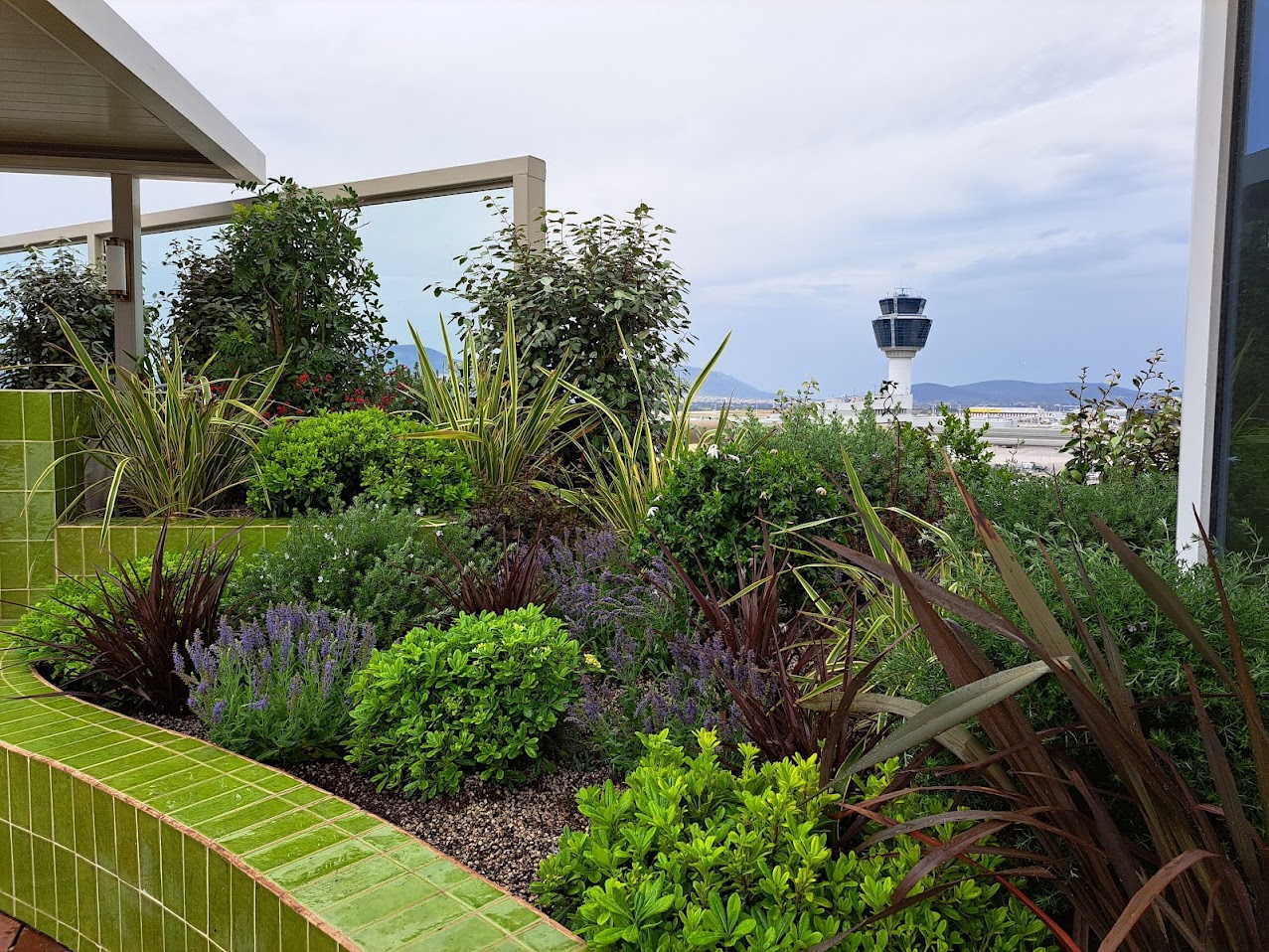
What Should Be Done Throughout the Year?
In practice, annual maintenance works best when organised seasonally.
In spring, the roof should be checked after winter: outlets cleaned, the installation reviewed, early nutrient corrections made, any planting gaps filled and irrigation zones re-adjusted. In summer, the focus shifts to water management, plant stress monitoring, irrigation control and protection against peak heat conditions. In autumn, the system is rebalanced through cleaning, light reshaping and preparation for the colder period ahead.
In intensive roof gardens with frequent use, intermediate visits may also be required, especially where shrubs, trees, lawn or hospitality-related use is involved. This seasonal logic aligns with both standard maintenance guidance and the practical needs of Mediterranean climates.
Is Green Roof Maintenance Demanding?
That depends largely on how the project was designed from the start.
A well-engineered system—with correct drainage, certified build-up layers, an appropriate substrate and rational planting design—does require maintenance, but not excessive maintenance. On the other hand, projects that begin with poor materials, inadequate drainage or unsuitable planting tend to “ask for solutions” constantly.
That is why the quality of the original system choice matters so much. Optigrün presents maintenance as part of proper roof function—not as an additional burden that appears after construction.
What Does the Owner Gain When Maintenance Is Done Properly?
They gain stability, predictability and protection of the investment.
The green roof maintains its visual quality, the planting matures correctly, water use remains under control, technical components do not deteriorate unnoticed, and the building envelope is better protected. In other words, maintenance is not simply a post-construction expense. It is the mechanism that ensures the roof continues to perform environmentally, functionally and aesthetically over time.
Conclusion
Proper green roof maintenance is neither an exaggeration nor a box-ticking exercise. It is the natural continuation of a well-designed project.
For an extensive system, it may mean only a few carefully planned visits per year. For an intensive roof garden, it means structured horticultural and technical oversight. In both cases, the principle is the same: regular inspection, seasonal adjustment and timely intervention.
With correct maintenance, a green roof can perform reliably for decades. That is why maintenance should never be treated as an afterthought. It is what protects the planting, the system and the investment behind it.